Project
Limewash a brick fireplace
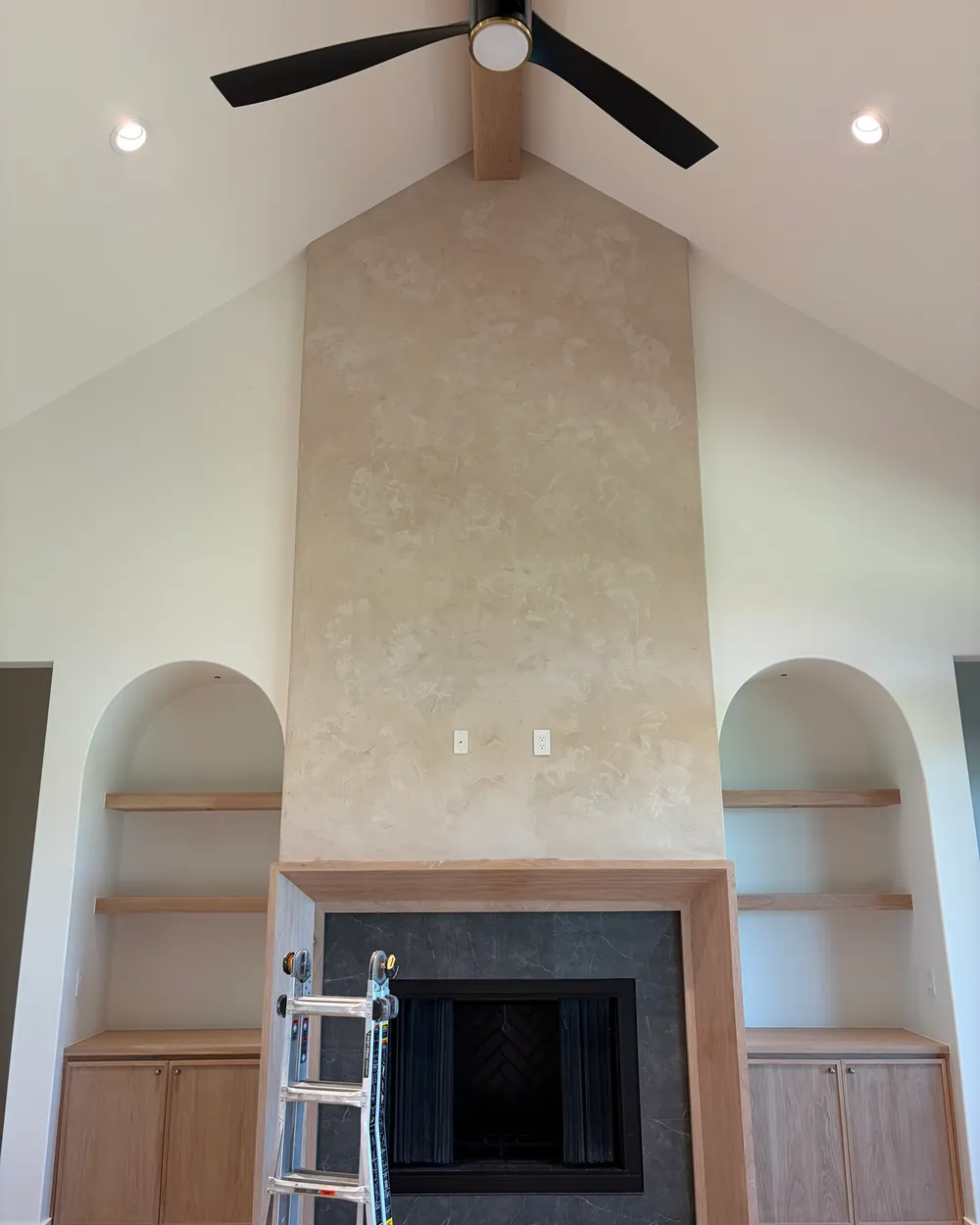
A brick fireplace is the best first limewash job there is. The brick is already porous, the area is small, the result is dramatic, and for the first few hours you can wash it back and change your mind.
It is also a weekend and one $50 gallon — which does an average surround roughly twice over.
One step decides whether it works, and almost every guide to this skips it because it makes the project sound like effort. It is the soot.
Buy a gallon — $50 See the colour first
Why brick fireplaces take limewash so well
Limewash does not sit on top of a surface as a film. It keys into the pores of what it touches, then carbonates — reabsorbing carbon dioxide from the air and converting back into limestone inside the surface rather than on it.
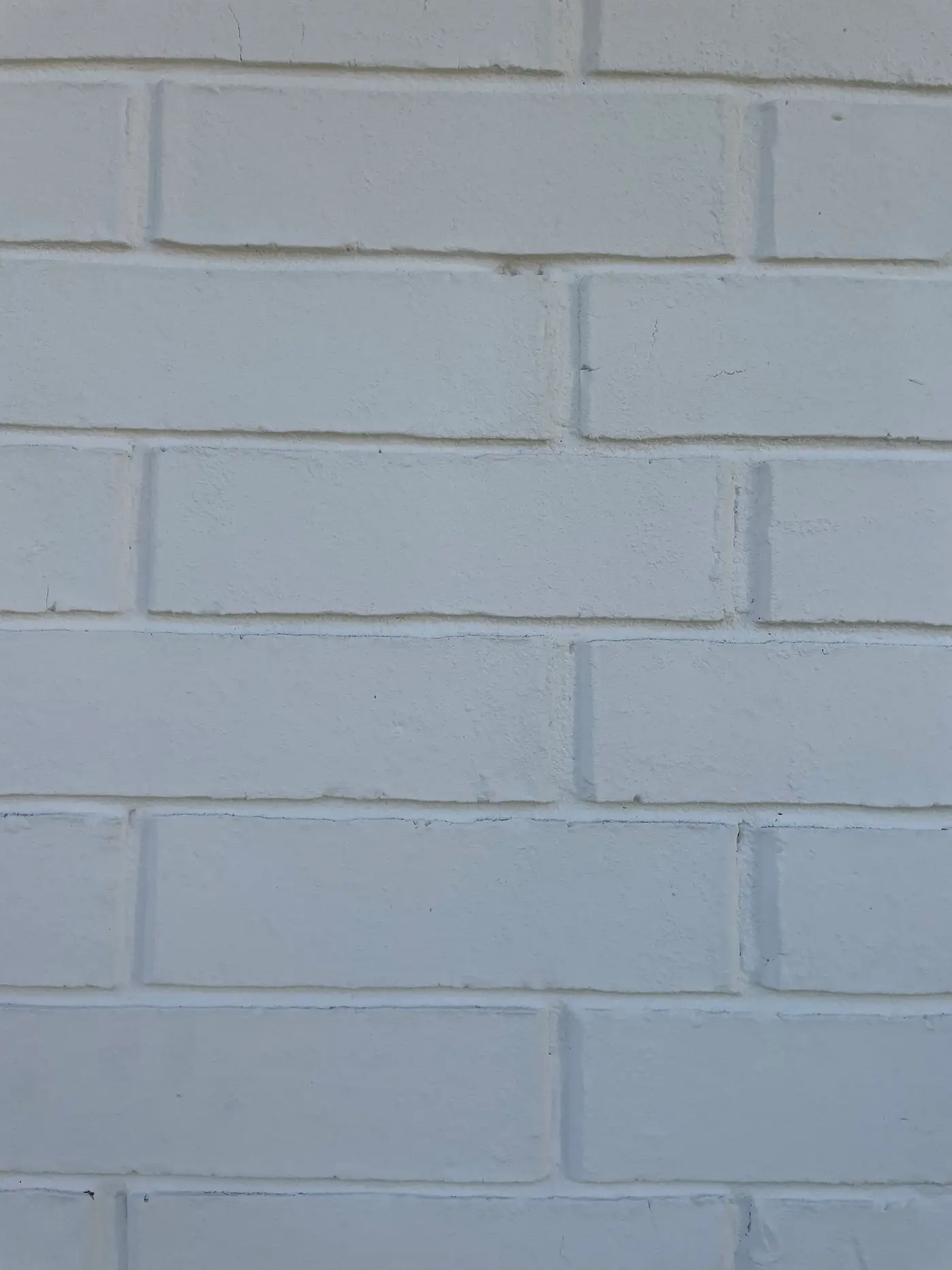
Unpainted brick is fired clay, which is about as porous and absorbent as a wall surface gets. It is the material lime was used on for centuries before anyone invented an alternative, and the pairing still works better than anything that has replaced it.
The mortar joints take it slightly differently from the brick faces, which is why a limewashed fireplace keeps looking like masonry instead of looking painted. You see the structure through the colour.
How much you need, and what it costs
The arithmetic
- A typical fireplace surround: 30 to 60 square feet of brick face
- One gallon at two coats covers about 140 square feet
- So one gallon does an average fireplace twice over
- Floor-to-ceiling chimney breast in a tall room: measure it, but one gallon still usually does it
Buy one gallon — $50. Do not buy the five-gallon pail for a fireplace. We would rather tell you that than take $225 off you for four gallons you will store in a garage.
Keep what is left over. Soot marks that reappear on the surround touch up invisibly with the same material, because limewash is the same all the way through rather than a layer of colour sitting on top. That is the practical reason to buy a full gallon for a small job.
The method
1. Degrease the soot — this is the whole job
Soot is greasy, not dusty. Brushing it off does nothing useful. The oily deposit has filled the pores that limewash needs to key into, and lime will not grip grease.
Scrub the sooted areas with TSP or a strong degreaser, rinse thoroughly with clean water, and let the brick dry completely. If limewash lifts off a fireplace, this is almost always why.
2. Mask, and put gloves on
Tape off the mantel, hearth and the wall beside it, and cover the floor. Wet lime is caustic — around pH 12. It will dry out and irritate skin and it can do real damage to an eye. Gloves and eye protection for the whole job.
3. Dampen the brick
Mist it with clean water until it is damp but not running. Damp masonry pulls the lime in evenly. Bone-dry brick flashes the water out of the surface too fast and you get a chalky, weakly bonded coat.
4. First coat, thinned, cross-hatched
Thin the first coat and work it in with a proper masonry or block brush, moving in a cross-hatch rather than straight parallel strokes. Never a roller — a roller lays a flat even film and flat even is the opposite of what you want.
This coat will look patchy, streaky and far too thin. That is correct. Do not fix it.
5. Second coat, full strength
Once the first has set up, go again at full consistency, cross-hatched, varying your pressure so the brick reads through in places and the colour builds in others. The second coat is where the depth comes from.
6. Change your mind, today
While the limewash is still green, a damp sponge will wash a section back to lighten it, and another pass will deepen it. Blend the edges and it disappears.
This window closes. Once the lime has carbonated and set as limestone, it behaves like a permanent finish and washing it back is no longer easy. Make the call the same day, in evening light as well as daylight.
Buy a gallon The full application method
Two things not to do
Do not limewash inside the firebox
Limewash is mineral and non-combustible, and on the surround that makes it better than acrylic — it will not soften, scorch or yellow with radiant heat the way a plastic film can.
It is not a refractory coating. The chamber where flame and burning fuel contact the brick needs refractory materials, and nothing on this page applies in there. Surround and chimney breast only.
Do not seal it
A topcoat puts a plastic film over a mineral finish. It blocks the carbonation that is still hardening the lime, and it flattens out the cloudy depth you applied it for — sealed limewash reads like flat paint.
A fireplace surround is not a wet area. It does not need protecting. Leave it and it keeps getting harder for years.
If the brick is already painted
Then the easy version of this project is off the table, and we will not pretend otherwise.
Cured paint is a sealed film with no porosity. Limewash over it has nothing to key into and will dust or flake once cured. Two honest routes: strip back to bare brick, or prime with a mineral primer made for lime and silicate systems to re-establish an absorbent surface. A standard acrylic primer makes the problem worse rather than better.
Common questions
Can you limewash a brick fireplace?
A brick fireplace is close to the ideal limewash surface. Unpainted brick is porous fired clay, which is exactly what lime needs to key into, and the surround is a small enough area that one gallon covers it comfortably. The two conditions are that the brick has not been sealed or painted, and that you degrease the sooted areas first.
How much limewash do I need for a fireplace?
Less than you think. A typical fireplace surround is 30 to 60 square feet of brick face. One gallon covers about 140 square feet at the two coats most jobs want, so a single $50 gallon does an average fireplace twice over. Buy one gallon. If you are doing a full floor-to-ceiling chimney breast in a double-height room, measure it and check, but one gallon is the answer for the overwhelming majority of fireplaces.
Do I need to clean the brick first?
Yes, and this is the step that decides the job. Soot is greasy, not dusty. Limewash bonds mechanically by keying into the pores of the brick, and on a sooted face those pores are filled with an oily deposit that lime cannot grip. Scrub the sooted areas with TSP or a strong degreaser, rinse thoroughly, and let the brick dry. Skipping this is the most common reason limewash lifts off a fireplace.
Can you limewash a painted brick fireplace?
Not directly. Cured paint is a sealed film with no porosity, so there is nothing for the lime to key into and it will dust or flake off once cured. You have two honest options: strip the paint back to bare brick, or prime with a mineral primer made for lime and silicate systems to re-establish an absorbent surface. A standard acrylic primer makes it worse, not better.
Is limewash safe around heat?
On the surround, yes — and it is better than acrylic there. Limewash is mineral and non-combustible; it does not soften, scorch or yellow with radiant heat the way a plastic paint film can. What it is not is a refractory coating. Do not apply it inside the firebox where flame and burning fuel contact the brick. That chamber needs refractory materials, and nothing on this page applies to it.
Can I make limewash lighter or darker after it is on?
For the first few hours, yes, and it is one of the real advantages of the material. While limewash is still green you can wash back a section with water and a sponge to lighten it, or lay another pass to deepen it, and blend the edges. Once it has carbonated — reabsorbed carbon dioxide and set as limestone — that window has closed and it behaves like a permanent finish. Judge it the same day.
Limewash or German smear for a fireplace?
Different effects and different amounts of commitment. Limewash is a thin translucent wash that lets the brick and the mortar read through it, and you can control how much brick shows. German smear is mortar troweled over the face, which is thick, opaque in places, permanent, and much harder to undo if you dislike it. For a fireplace, limewash is the lower-risk choice and the one you can adjust.
Do I need to seal limewash on a fireplace?
No, and sealing it is actively counterproductive. A topcoat puts a plastic film over a mineral finish, which blocks the carbonation that hardens it and flattens the cloudy depth you applied it for. A fireplace surround is not a wet area. Leave it alone and it keeps hardening for years.
How do I clean a limewashed fireplace?
Dust it, and spot-clean with a damp cloth. For soot marks that reappear on the surround, a touch-up pass of limewash blends in invisibly because the material is the same all the way through rather than a layer of colour on top — keep the leftover from your gallon. This is the practical reason to buy a full gallon for a small job.
How long does it take to limewash a fireplace?
A weekend, and most of it is the cleaning. Degrease and rinse on day one and let it dry. Two coats on day two, with a couple of hours between them. The finish is touchable the same day and keeps hardening for months after that.
One gallon, one weekend
Degrease properly, use a real brush, two cross-hatched coats, and judge it the same day. $50 a gallon, tinted by hand to any of twelve colours or matched to anything you send us, shipped anywhere in the United States, with the full application course included.
Who we are
Thirty seconds, then stay for the podcast.
I’m Ben Lynch. I started LimeWash Pros after reading what the EPA had published about the air inside ordinary American houses — and realizing the walls were the problem.

Meet LimeWash Pros
Who we are, what lime does that paint cannot, and why the air inside your house is the reason we do this.
The podcast
 11:33
From Setback to Limewash Success: Meet Ben Lynch
Why I walked away from conventional paint, what I found in the research on VOCs, and how that turned into LimeWash Pros.
 12:10
How Modern Paint is Killing You
The VOCs in ordinary latex paint don’t stop off-gassing when the wall dries. What that does to the air in your house.
 9:43
The Carcinogen On Your Walls
Benzene is a known human carcinogen and it is in the paint on every surface of your home. What the research says.