A note on this article. The version of this post that ran on our old site reproduced a 2010 Daily Mail feature by Angela Epstein in full. We’ve replaced it with our own summary and a link to the original, because the original is the journalist’s work, not ours. If you want the full piece, read it at the source.
Most people redecorate without a second thought about what they’re breathing while they do it. The health reporting on this is not new, and it is not fringe — it has been covered in the mainstream press for well over a decade.
The short version
Ordinary decorating products are chemistry. Conventional paints contain solvents and volatile organic compounds that evaporate as the paint dries and continue off-gassing long afterwards. Paint strippers, varnishes and two-pack products can contain considerably harsher agents again. And the jobs around painting — sanding old coatings, stripping wallpaper, cutting back and replastering — put dust into the air that has its own risks, particularly in older properties.
The people most exposed aren’t homeowners doing one room a year. They’re professionals doing it every working day, in enclosed spaces, often without adequate ventilation.
What the coverage consistently flags
- Solvents and VOCs in conventional paint, released during application and drying, and associated in the research literature with respiratory irritation, headaches and longer-term effects with sustained exposure.
- Isocyanates, found in some two-pack and specialist finishes, a well-documented cause of occupational asthma in the trades.
- Dust from preparation work — sanding, stripping and replastering — including the risk of disturbing older materials in period properties.
- Ventilation as the single biggest controllable factor. Most guidance comes back to the same point: the enclosed room is what makes the exposure serious.
Why we work in lime
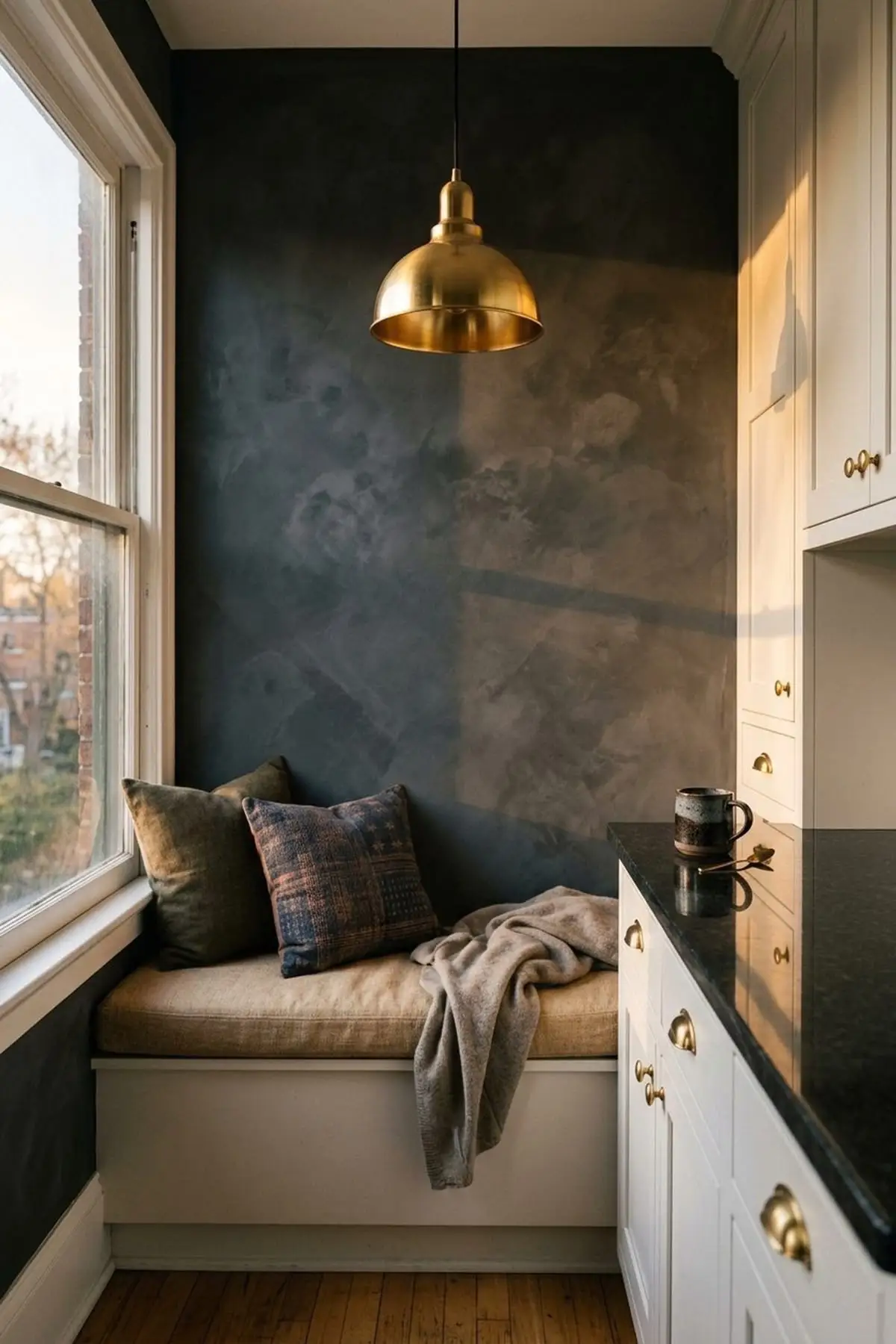
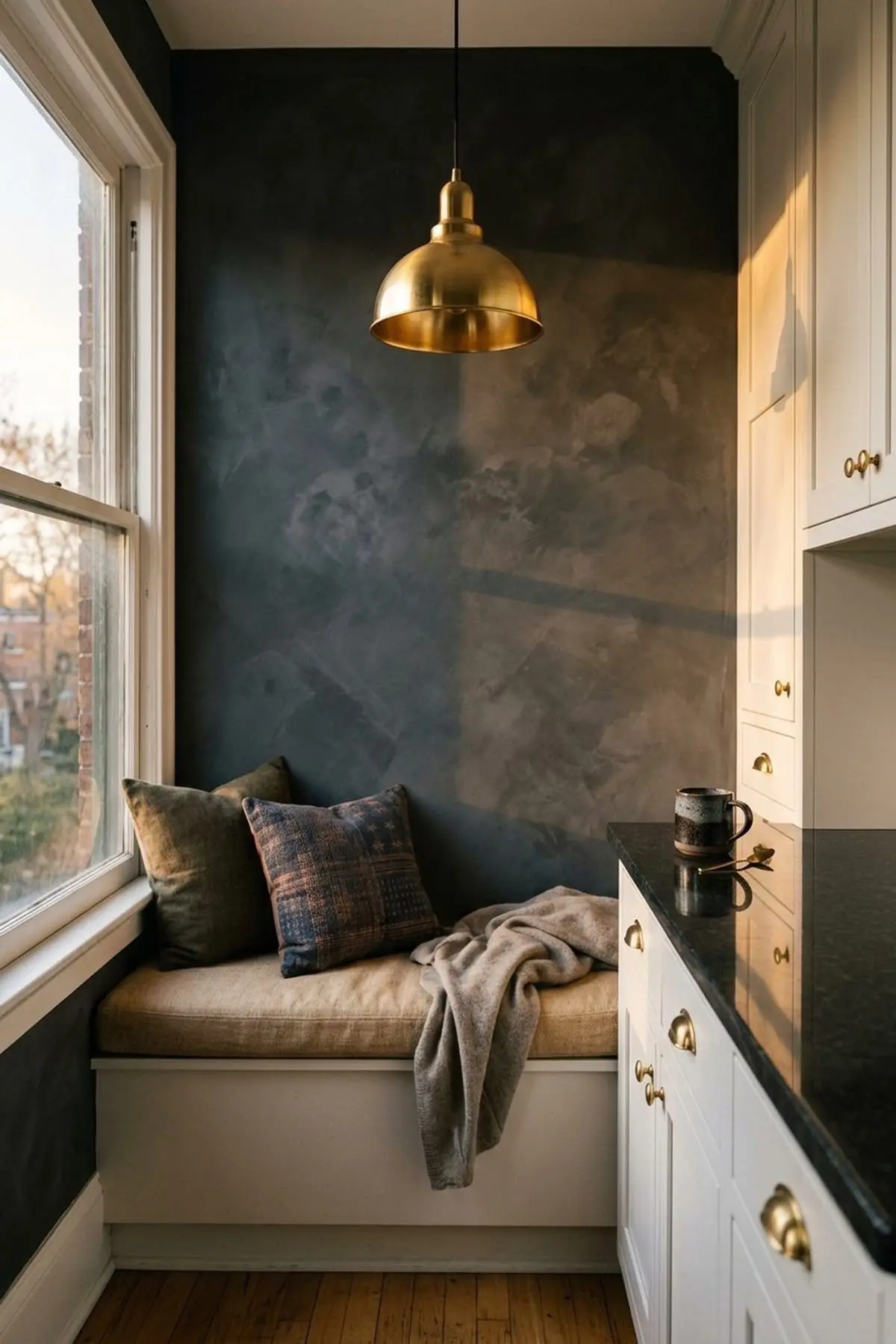
This is the reason our finishes are what they are. Limewash and lime plaster are high-calcium lime, water, marble dust and mineral pigment. There are no synthetic binders and no solvents, so there is nothing to off-gas — not on day one, and not in year five. Lime is also naturally alkaline, which means it resists mold and mildew without added biocides.
We’re not claiming lime is a medical intervention. We’re saying that if a wall finish can be beautiful and not put solvents into the air of a bedroom, that’s the one worth specifying. That’s the whole basis of our Zero VOC Home Program.
Source: Angela Epstein, “Will doing up the front room make you ill?”, Daily Mail, 8 November 2010. Read the original at dailymail.co.uk.